
- Explore With
- Used Car
- Price Range
- Fuel type
- Year
- KM Driven
- Explore Requirements
- All Dealers
- About Us
- How it Works
- Login
- Dealer Login
Sell your car Directly to Customer
Are tubeless Tyres better for cars?
341 views
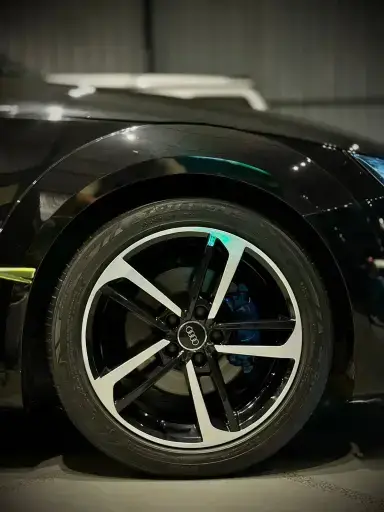
Tubeless tires are generally better for modern cars than traditional tube-type tires, for several practical reasons. Here’s a breakdown of the advantages and disadvantages to help you decide:
✅ Advantages of Tubeless Tires:
-
Slower Air Loss
-
When punctured, air escapes more slowly, giving you time to stop safely.
-
-
No Sudden Blowouts
-
No inner tube means less risk of dangerous, sudden deflation.
-
-
Better Fuel Efficiency
-
They're lighter than tube-type tires, slightly improving mileage.
-
-
Lower Maintenance
-
No tube to pinch, burst, or go bad over time.
-
-
Can Use Sealants
-
Self-sealing sealants can automatically fix small punctures as they occur.
-
-
Improved Heat Dissipation
-
Air is in direct contact with the rim, helping the tire run cooler at high speeds.
-
-
More Stable at High Speeds
-
They maintain shape better, offering improved handling and braking.
-
❌ Disadvantages of Tubeless Tires:
-
Cost
-
Slightly more expensive than tube-type tires.
-
-
Rim Compatibility
-
Requires special tubeless-compatible rims for optimal sealing.
-
-
More Complex Repairs
-
Puncture repairs can be trickier than just swapping a tube.
-
-
Not Ideal for Very Old Cars or Certain Off-Road Applications
-
Older vehicles or those using spoke wheels (like some 4x4s) may not support tubeless setups easily.
-
🏁 Conclusion:
For most modern cars, tubeless tires are the better choice—they’re safer, more efficient, and more durable in everyday conditions. Unless your vehicle specifically requires tube-type tires, tubeless is usually the recommended option.
