
- Explore With
- Used Car
- Price Range
- Fuel type
- Year
- KM Driven
- Explore Requirements
- All Dealers
- About Us
- How it Works
- Login
- Dealer Login
Sell your car Directly to Customer
How To Check A Car Before Buying- A Complete Guide
475 views
How to check a car before buying step by step
1. Start with checking the Paperwork of the car
Vehicle Identification Number (VIN): Ask the seller for the VIN, which you can use to check the car’s history. A VIN report will provide details about any accidents, title issues, or odometer discrepancies.
Service Records: A well-maintained car should have records of routine maintenance like oil changes, tire rotations, and brake inspections. These records can provide insight into the car’s overall care.
2. Inspection
Scratches & Dents: Small dings may not be a major concern, but large dents or mismatched paint could indicate prior bodywork.
Paint Consistency: It could indicate that parts of the car have been repainted after an accident.
Rust: Look for rust spots on the car’s undercarriage, wheel wells, and door frames. Rust can spread quickly and be costly to fix.
Headlights & Taillights: Check that all lights are intact and function properly. Test the headlights, brake lights, turn signals, and reverse lights.
Windshield: Check for cracks or chips, as these may need replacement.
Windows: Roll down all windows to ensure they operate smoothly. Look for any cracks or chips in the glass.
Tires and Wheels: The condition of the tires can tell about overall maintenance, alignment, and potential repair costs. Check the tread depth on all four tires and Inspect all tires for uneven wear, which could indicate alignment issues, suspension problems.Look for the tire's manufacturing date. Tires older than 6 years may need replacing, even if the tread looks fine.
Under the Hood:The engine is the heart of any car, so take time to inspect it carefully.
Fluid Levels: Check the oil, coolant, brake fluid, and transmission fluid levels. Dark or gritty oil could indicate poor maintenance, while low fluid levels may suggest potential leaks.
Oil Condition: Use the dipstick to check the oil’s color and texture. Clean, light-brown oil is a sign of regular maintenance, while dark, gritty oil may signal overdue oil changes.
Belts & Hoses: Look for cracks, frays, or signs of wear on the belts and hoses. These parts should be in good condition to avoid costly repairs later.
Leaks: Look for any signs of fluid leaks under the engine. Oil stains, coolant puddles, or other fluids leaking onto the ground could be a sign of an issue.
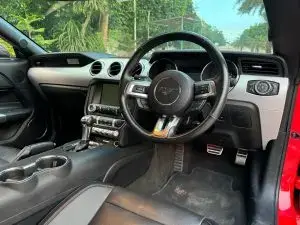
Interior Inspection: The inside of the car tells you how the car was used and whether it was well cared for
Seats: Look for any tears, stains, or wear on the upholstery. Ensure the seat adjustments (manual or power) work properly.
Dashboard: Check for cracks, especially in older cars. A cracked dashboard may indicate extreme exposure to sunlight and heat, potentially affecting the car's interior components.
Odour: Pay attention to any musty or moldy smells, which could indicate water damage.
Air Conditioning/Heater: Test both the air conditioning and heating systems to make sure they work.
Electronics: Ensure that the radio, stereo and infotainment system are functional. Also, check the buttons, dials, and touchscreens to confirm that they respond correctly.
3. Test Drive
Starting Condition: When starting the engine, listen for any strange noises like knocking, squealing, or hissing. The engine should start smoothly without excessive cranking.
Engine Idle: Once the car is started, let it idle for a few minutes. Pay attention to any irregularities, such as rough idling, engine misfires, or warning lights.
Handling & Steering: The steering should feel responsive and smooth, without any pulling to one side.
Brakes: Test the brakes in a safe, controlled environment. They should feel firm and responsive without any squealing, grinding or pulling to one side.
Suspension: Drive over bumps and rough patches of road to check for any unusual noises or bounces. A well-maintained suspension should absorb shocks smoothly.
Automatic: If the car is an automatic, check that the transmission shifts smoothly through all gears without jerking or hesitation.
Manual: If the car is a manual, test the clutch and gear shifting to ensure they operate smoothly.
Check Warning Lights: Ensure that all dashboard lights work as expected. Pay special attention to the check engine light, oil pressure light, ABS warning, and tire pressure light. Any of these lights indicating issues may signal significant mechanical problems.
Review the Price: Once you’ve completed your inspection and are satisfied with the condition of the car, compare the price to similar vehicles on the market and try to negotiate based on any issues you found during your inspection.
Look for a Professional Inspection
It is a good idea to have the car inspected by a trusted expert. He can look for hidden issues such as:
Frame damage from past accidents.
Transmission problems or signs of oil leaks.
Suspension or brake system issues that are not easily visible.
A pre-purchase inspection can save you from making an expensive mistake.
