
- Explore With
- Used Car
- Price Range
- Fuel type
- Year
- KM Driven
- Explore Requirements
- All Dealers
- About Us
- How it Works
- Login
- Dealer Login
Sell your car Directly to Customer
The Pros and Cons of Buying vs. Leasing a Car
320 views
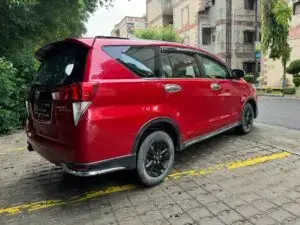
With regards to obtaining another vehicle, the choice to purchase or rent is a huge one that can influence your funds, way of life, and driving experience. The two choices accompany their own arrangements of benefits and weaknesses. In this blog, we'll investigate the upsides and downsides of purchasing as opposed to renting a vehicle to assist you with settling on an educated choice.
Purchasing a Vehicle
Pros
Possession: When you purchase a vehicle, you own it through and through. When the credit is paid off, you have an important resource that you can save for however long you need.
Limitless Mileage: Owners aren’t confined by mileage limits, making purchasing an extraordinary choice for the people who drive significant distances consistently.
Customization: Purchasing permits you to alter your vehicle as you see fit, whether that implies adding new highlights or changing the inside.
Long haul Cost Reserve funds: Although the forthright expense is higher, over the long run, purchasing can be more practical. When the vehicle is paid off, you will not have regularly scheduled instalments.
No Wear and Tear Fees: Renting frequently accompanies punishments for over the top mileage. As a proprietor, you're liberated from these additional expenses.
Cons
Higher Monthly Payments: Purchasing commonly includes bigger regularly scheduled instalments contrasted with renting, which can strain your spending plan.
Depreciation: New vehicles lose esteem rapidly, and as the proprietor, you endure the worst part of this deterioration.
Maintenance Costs: As your vehicle ages, you're answerable for all upkeep and repair costs, which can accumulate over the long haul.
Less Flexibility: In the event that your necessities change, selling a vehicle can be tedious and may not yield a fast profit from your speculation.
Renting a Vehicle
Pros
Lower Monthly Instalments: Renting by and large requires lower regularly scheduled instalments contrasted with purchasing, making it simpler to drive a more costly vehicle.
Newer Models: Renting permits you to drive another vehicle at regular intervals, profiting from the most recent innovation and security highlights.
Warranty Coverage: Most rents are for the span of the producer's guarantee, meaning less fix costs during the rent term.
Tax cuts: In some cases, especially for business owners, leasing can provide tax advantages.
Less Maintenance: Rented vehicles are regularly new and under guarantee, diminishing support concerns.
Cons
No Ownership: Toward the finish of the rent term, you don't claim the vehicle and have no resource for show for your instalments.
Mileage Limits: Leases accompany mileage limitations, and surpassing them can prompt exorbitant punishments.
Customization Constraints: Most rents don't take into account changes, so you're left with the vehicle with no guarantees.
Long-Term Cost: Ceaselessly renting can turn out to be more costly over the long run, as you're continuously making regularly scheduled instalments without acquiring proprietorship.
Possible Charges: Toward the finish of the rent, you might cause expenses for inordinate mileage, which can add to the general expense.
Hence, choosing whether to purchase or rent a vehicle relies upon your own inclinations, financial circumstance, and driving habits. In the event that you esteem ownership and plan to save your vehicle for quite a while, purchasing might be the better decision. Then again, assuming you favour driving new vehicles at regular intervals and value lower regularly scheduled instalments, renting could be the best approach.
