
- Explore With
- Used Car
- Price Range
- Fuel type
- Year
- KM Driven
- Explore Requirements
- All Dealers
- About Us
- How it Works
- Login
- Dealer Login
Sell your car Directly to Customer
Why are people in India afraid to buy luxury cars?
898 views
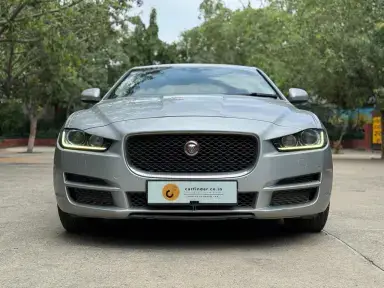
There are several reasons why many people in India may be hesitant or afraid to buy luxury cars, even if they can afford them. The hesitancy often stems from practical, social, and financial concerns. Here's a breakdown of the main factors:
1. High Import Duties and Taxes
-
Import duties on luxury cars can go up to 100-125%, doubling the cost compared to other countries.
-
GST (Goods and Services Tax) on luxury cars is also high (around 28% plus cess).
-
This makes luxury cars extremely expensive, even for the upper middle class.
2. Poor Road Infrastructure
-
Many Indian cities have narrow, congested, or poorly maintained roads.
-
Luxury cars, especially low-slung ones (e.g., BMW 5 Series, Mercedes E-Class), often scrape over speed bumps or potholes, making them impractical for daily use.
3. Fear of Theft or Vandalism
-
Luxury cars attract attention, which can be both positive and negative.
-
Owners often worry about theft, keying, or damage when parked in public places.
-
Parking infrastructure is also inadequate in many areas.
4. Social Perception and Judgment
-
There's a cultural stigma in some communities around displaying wealth openly.
-
Some fear being judged as show-offs or inviting scrutiny, especially from relatives or neighbors.
-
Concerns about tax authorities noticing lavish spending can also play a role.
5. High Maintenance and Running Costs
-
Service, insurance, spare parts, and repairs are significantly costlier.
-
Some luxury brands don’t have widespread service networks, especially in Tier 2 or 3 cities.
-
Fuel efficiency is typically lower than regular cars, adding to ongoing costs.
6. Limited Usability
-
People often prefer SUVs or practical vehicles due to road conditions.
-
A luxury sedan might not be usable for long trips, monsoons, or rural visits.
7. Value for Money Mindset
-
Even wealthy Indians often prioritize “value for money” over brand appeal.
-
Spending ₹80 lakh+ on a car that depreciates quickly is hard to justify for many.
Summary
In essence, it's not just about affordability. It's about practicality, perception, and priorities. While India has a growing class of luxury car buyers, many still weigh the emotional and social cost of owning one.
