
- Explore With
- Used Car
- Price Range
- Fuel type
- Year
- KM Driven
- Explore Requirements
- All Dealers
- About Us
- How it Works
- Login
- Dealer Login
Sell your car Directly to Customer
Will petrol cars disappear from the world in the future?
1909 views
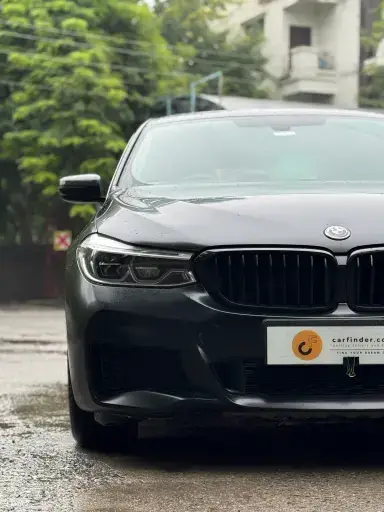
Petrol cars are unlikely to disappear entirely from the world in the near future, but they will almost certainly decline significantly over the coming decades. Here's a breakdown of why and what might happen:
🔋 Key Reasons for the Decline of Petrol Cars
-
Environmental Regulations
-
Governments around the world are tightening emissions standards to combat climate change and pollution.
-
Many countries (e.g., Norway, the UK, and parts of the EU) plan to ban the sale of new petrol and diesel cars between 2030–2040.
-
-
Electric Vehicle (EV) Advancements
-
EVs are getting cheaper, have better range, and charge faster.
-
Battery technology is improving rapidly, making EVs more practical for a wide range of users.
-
-
Automaker Commitments
-
Major car companies (e.g., GM, Ford, Volkswagen, Volvo) are phasing out internal combustion engine (ICE) vehicles over the next couple of decades.
-
Billions are being invested into EV production and infrastructure.
-
-
Consumer Preference Shift
-
More buyers are choosing EVs due to lower fuel costs, maintenance savings, and environmental concerns.
-
Incentives and subsidies in many countries support EV adoption.
-
🛑 But Why Petrol Cars Won’t Disappear Completely Soon
-
Global Inequality in Transition
-
Developing countries may continue to rely on petrol cars due to affordability and infrastructure limitations.
-
Used petrol cars will remain in circulation long after new sales stop.
-
-
Certain Use Cases
-
Some specific roles (e.g., motorsports, classic car collectors, remote areas) may keep petrol engines relevant for niche uses.
-
Heavy-duty applications like long-haul trucking may transition slower.
-
-
Lifespan of Cars
-
Petrol cars can last 10–20 years, so even if new ones stop being sold by 2035, many could still be on roads into the 2050s or beyond.
-
🧭 Likely Timeline
| Year | Expected Trend |
|---|---|
| 2025–2035 | Major growth in EV sales, new bans announced |
| 2035–2045 | End of new petrol car sales in many regions |
| 2050+ | Petrol cars become rare, mostly in poorer or rural areas |
🔮 Conclusion
Petrol cars will not vanish overnight, but they are on track to become a niche or obsolete technology by mid-century, especially in wealthier and more urbanized regions. The shift is driven by economics, technology, and environmental necessity.
